
Drone Bylaws in Toronto: What You Need to Know
Drones, also called Remotely Piloted Aircraft Systems (RPAS), have quickly grown in popularity for photography, videography, and recreational use. But in Toronto and the surrounding municipalities, drone pilots must navigate not only federal aviation regulations but also local municipal bylaws. Failing to follow these rules can result in fines and penalties.
Drones Under 250g: Fewer Rules, But Still Responsibilities
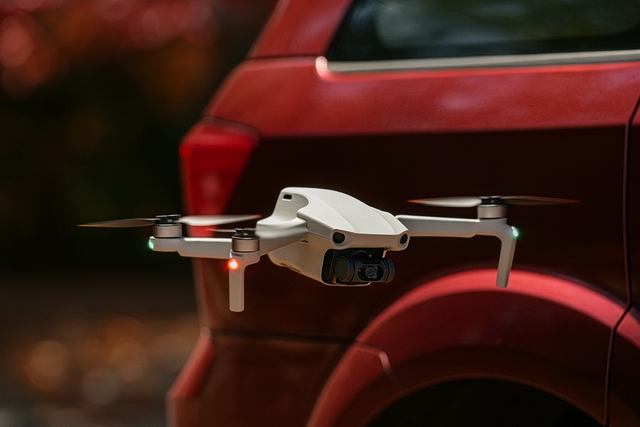
If your drone weighs less than 250 grams, you’re not subject to the full scope of Transport Canada’s drone regulations. However, that doesn’t mean you can fly without restrictions.
Even the smallest drones must be flown safely and responsibly. You cannot endanger people, property, or other aircraft, and reckless operation can still lead to enforcement actions.
Transport Canada provides key safety guidelines for sub-250g drones:
-
Keep your drone within visual line of sight—you should always be able to see it without binoculars or other visual aids.
-
Stay well away from airports, heliports, and controlled airspace.
-
Avoid flying over or near advertised events, large gatherings, or emergency situations such as accidents and disaster response sites.
-
Be respectful of privacy, noise, and community concerns.
In short, drones under 250g give hobbyists more flexibility, but with that freedom comes the responsibility to operate with care.
Drones 250g and Above: Federal and Local Rules Apply
Drones weighing 250 grams or more fall under stricter federal regulations and must also comply with municipal bylaws. Operators are required to:
-
Register their drone with Transport Canada (applies to drones between 250 g and 25 kg).
-
Obtain a pilot certificate (basic or advanced, depending on flight category).
-
Stay below 122 metres (400 feet) in altitude.
-
Maintain safe distances from airports, heliports, and people.
-
Request authorization from NAV CANADA before flying in controlled airspace.
These federal rules establish a baseline, but local municipalities like Toronto add another layer of restrictions.
Toronto’s Drone Rules: Chapter 608 (Parks)
In Toronto, drone use is addressed under the Municipal Code, Chapter 608 (Parks). Section 608-19 states:
“While in a park, no person shall operate powered models of aircraft, rockets, watercraft, or vehicles unless authorized by permit.”
In practice, this means drones are banned in all city parks unless a permit is obtained. The City also highlights this restriction on its official “Park & Trail Rules & Etiquette” page.
Bylaws in Surrounding GTA Municipalities
Toronto isn’t the only city with restrictions. Other Greater Toronto Area municipalities have similar bylaws:
-
Mississauga – Prohibits drones and model aircraft in parks without a permit.
-
Brampton – Requires authorization before drones or model aircraft can be flown in public parks.
-
Hamilton – Restricts drone flights in city parks unless a permit is granted.
These bylaws exist to reduce safety risks, noise disturbances, and privacy concerns in crowded public areas.
Where Can You Fly?
Although restrictions may feel limiting, drone pilots still have safe and legal options:
-
Private Property – You can fly with the landowner’s permission, as long as federal rules are respected.
-
Designated Flying Clubs/Fields – Many model aircraft associations operate approved fields where drones can be flown legally.
-
Rural or Less Populated Areas – Flying outside urban zones, away from controlled airspace and public parks, is often allowed.
Before flying, always check for restrictions using the NRC Drone Site Selection Tool (https://nrc.canada.ca/en/drone-tool)
By Journalists Shengji Lin and Haoyang
Easycan Inc. (Easy Media)